
Intermittent Fasting 101

Image result for intermittent fasting
Let’s just get to the point, can you imagine a meal timing strategy where you don’t eat for 16 hours of the day?
⠀⠀
It sounds scary, right? Well, the truth is it isn't.
⠀⠀
This  diet that I’m referring to is called Intermittent Fasting, or IF for short.
⠀⠀
Intermittent Fasting is essentially a meal timing strategy (or preferred eating pattern) that cycles between “fasting” and “eating” windows throughout the day.
⠀⠀
So, for some parts of the day you don’t eat, and other parts of the day you do eat. Doesn’t sound too bad when you put it that way, right? Right! Now let me explain the 16 hour break
⠀⠀
Generally, this is how your day might look when on an Intermittent Fasting program:
⠀⠀
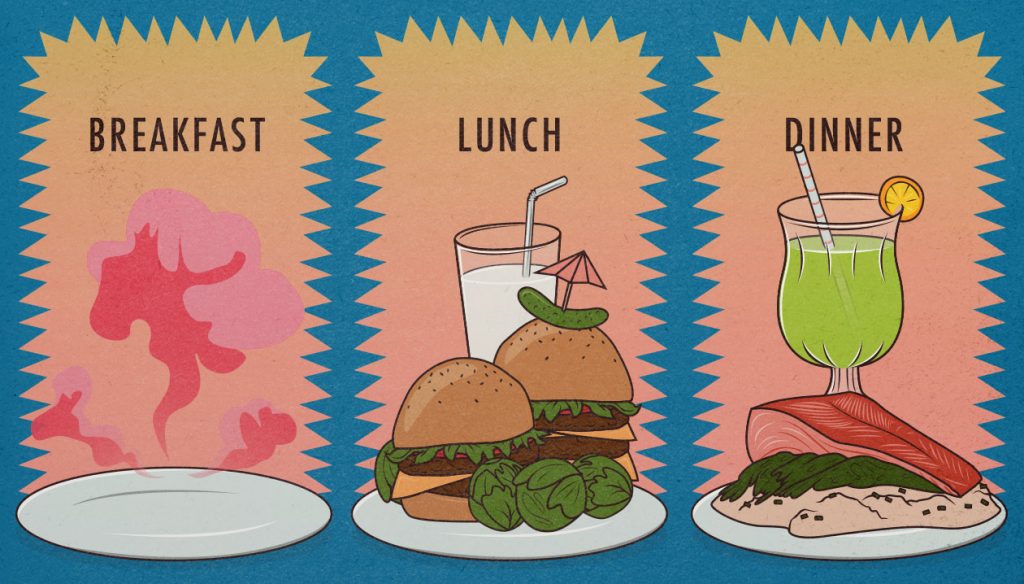
Image result for intermittent fasting

You “fast” (or don’t eat) from the time you wake up until about 12pm, noon. Then from noon until roughly 8pm you enter your eating window, where you’ll have your meals for the day. Then, at 8pm your eating window closes and you go back t fasting until you fall asleep. Make sense?

And you might be wondering why the heck would you want to do Intermittent Fasting like this? Well, here’s why:
⠀⠀
Pushing breakfast calories back until later in the day (or adding them to a later meal) allows for larger meals rather than smaller ones. This is typically great for people who don’t love breakfast or doesn't have time to, aren’t hungry when they wake up (or prefer coffee to food early in the morning) and those who are dieting and can’t do the “eat every three hours” thing. Plus, Intermittent Fasting has shown to have some “fat burning” effects as the body is positioned to be in a fasted state (though this is largely up for debate).
⠀⠀
It’s also important to note that in your fasting windows, you’re ‘allowed’ to consume zero-calorie beverages to suppress appetite and hold you over. This includes black coffee (with no sugar. Yes, not a single small piece of sugar), seltzer water, water, etc. And furthermore, during your eating window you still need to be respectful of total calories for the day and making relatively good food choices. Got it?

Need other ideas for different diets? Check out our post on ways people are changing their diets to become a healthier one:
http://hlthylf.blogspot.com/2018/10/ways-people-are-changing-their-diet-to.html

Links:
https://www.healthline.com/nutrition/intermittent-fasting-guide
https://jamesclear.com/the-beginners-guide-to-intermittent-fasting
https://www.health.harvard.edu/blog/intermittent-fasting-surprising-update-2018062914156

Comments

Post a Comment

Popular posts from this blog

What is pH and why does it matter for your water?

What is pH? pH is a measurement of electrically charged particles in a substance. It indicates how acidic or alkaline (basic) that substance is. The pH scale ranges from 0 to 14:           Acidic water has a pH lower than 7. The most acidic substances have a pH of 0. Battery acid falls into this category.           Alkaline water has a pH of 8 or above. The most alkaline substances, such as lye, have a pH of 14.           Pure water has a pH of 7 and is considered “neutral” because it has neither acidic nor basic qualities. Freshwater pH varies across the world depending on weather patterns, human activity, and natural processes. Water with a very low or high pH can be a sign of chemical or heavy metal pollution. Water that doesn’t fall in the “safe” pH range of 6.5 to 8.5, particularly if it’s alkaline, isn’t necessarily unsafe. However, very alkaline water can have an unpleasant smell or...

Benefits of Stretching After Waking up

Everyone has a different bedtime routine, some people sleep during the day due to their overnight shift, and some people work during the day and sleep at night. Most people find it difficult to get the motivation to get up after a good long rest.  Therefore, by taking a five to ten minutes body stretches at the start of your day, you will wake your brain and your body. Here are several benefits of stretching your body after waking up. 1. Getting your blood flow and stimulates your brain When you’re sleeping, your brain and your muscles are at rest. To get them fully functional, the blood needs to be flowing throughout your body and into your brain. By stretching after waking up, it will make your body perform better in performing daily activities. 2. Improves your posture Stretching can help relax your muscle. Tense muscle can lead to poor body posture. So, by stretching regularly after waking up, your muscle will be relaxed and keep your back in better shape a...

Weighted Blankets For A Better Nights Rest

How Do Weighted Blankets Work? Weighted blankets provide a sensation known as ‘grounding’ that applies moderate pressure to the sleeper’s body and pushes them further into their sleep surface. Grounding also triggers the release of hormones that calm the nerves and lead to a good night’s sleep. The blanket’s weight is key for preserving sleep quality and getting an adequate amount of rest each night. Weighted blankets should be tailored to the individual user. Most adults reach optimal comfort levels using a blanket that weighs roughly 5% to 10% of their own body weight. Children may also use weighted blankets; for most kids, a blanket weighing 10% of their body weight will yield the best results. Weighted blankets carry health and safety risks for children under eight years of age; kids in this age group should avoid using a weighted blanket unless it has been prescribed by a physician or licensed therapist. Additionally, people with the following conditions should speak w...